


Digital Marketing
The Rise of Live Shopping: How to Host Successful Live Sales Events
Summary
Live shopping is transforming the way brands sell online by combining real-time video, product demonstrations, and instant purchasing. Instead of browsing static product pages, customers can watch live videos, ask questions, and buy products instantly. This format builds trust, creates urgency, and mirrors the in-store experience in a digital space. With the rise of social media, better streaming tools, and changing consumer behavior, live shopping is growing rapidly across eCommerce, D2C, and even B2B brands. Businesses that adopt live commerce early, often with guidance from the best digital marketing agency, see higher engagement, better conversions, and stronger customer relationships.
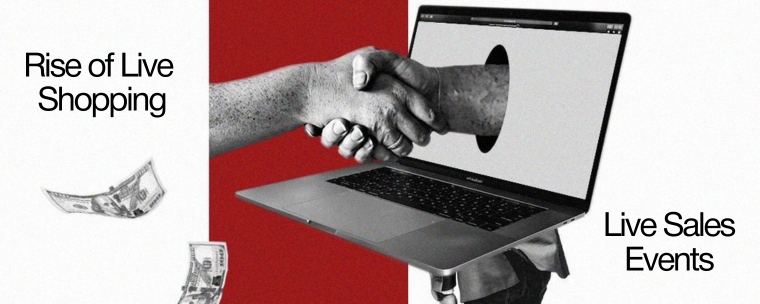
What Is Live Shopping?
Live shopping (also called live commerce) is a sales strategy where brands sell products through live video streams. During these sessions, hosts showcase products, explain features, answer audience questions in real time, and offer limited-time deals.
Unlike traditional eCommerce:
- Customers interact instantly
- Brands build trust through live demos
- Purchases happen during the stream itself
Live shopping blends content, entertainment, and commerce into one experience.
Why Live Shopping Is Growing So Fast
Live shopping is growing because consumer expectations have changed. People want more than product descriptions, they want proof, interaction, and authenticity.
Key reasons for growth:
- Increased trust in live demonstrations
- Popularity of short-form and live video content
- Social media platforms prioritizing live content
- Desire for real-time engagement and exclusivity
- Higher conversion rates compared to static pages
As digital marketing evolves, live commerce is becoming a core growth channel rather than a trend.
Benefits of Live Shopping for Businesses
Live shopping offers measurable advantages for brands of all sizes.
1. Higher Engagement
Live video keeps users watching longer and interacting through comments, likes, and polls.
2. Better Conversion Rates
Real-time answers remove buying hesitation, leading to faster purchase decisions.
3. Stronger Brand Trust
Seeing a real person explain and use the product builds credibility.
4. Instant Feedback
Brands learn customer objections, preferences, and questions immediately.
5. Cost-Effective Marketing
One live sales event can drive awareness, engagement, and revenue at once.
Popular Platforms Used for Live Shopping
Choosing the right platform depends on where your audience already spends time.
Common live shopping platforms:
- Instagram & Facebook – Ideal for D2C and lifestyle brands
- YouTube – Best for detailed demos and long-form sessions
- Amazon – Perfect for product-driven brands on Amazon
- Shopify & integrations – Direct sales on your website
A strong digital marketing strategy aligns live shopping with the right platform mix.
How to Host Live Shopping: Step-by-Step Guide
Step 1: Define Your Goal
Decide whether your live sales event is for:
- Product launches
- Clearing inventory
- Brand awareness
- Lead generation
- Community building
Clear goals shape the format and messaging.
Step 2: Choose the Right Products
Select products that:
- Are easy to demonstrate live
- Solve a clear problem
- Have strong visual appeal
- Can be bundled or discounted
Avoid showcasing too many products in one session.
Step 3: Plan the Live Session Structure
A simple structure works best:
- Introduction and welcome
- Product story and demo
- Benefits and use cases
- Live Q&A
- Limited-time offer
- Clear call-to-action
Planning prevents awkward pauses and keeps viewers engaged.
Step 4: Promote Before Going Live
Promotion is critical for attendance.
- Share countdown posts
- Send email reminders
- Use WhatsApp or SMS alerts
- Tease exclusive offers
The more prepared your audience, the better the results.
Step 5: Go Live and Engage Actively
During the live shopping session:
- Greet viewers by name
- Answer questions instantly
- Repeat offers and CTAs
- Show product usage clearly
Energy and authenticity matter more than perfection.
Step 6: Follow Up After the Event
After the live sales event:
- Share the replay
- Retarget viewers with ads
- Send follow-up emails
- Analyze performance data
Live shopping success improves with iteration.
Live Shopping Tips to Increase Conversions
Use these proven live shopping tips to maximize results:
- Offer limited-time discounts during the live
- Use urgency like “Only for the next 10 minutes”
- Highlight social proof (reviews, testimonials)
- Keep sessions between 30–60 minutes
- Use a confident, knowledgeable host
- Pin purchase links and CTAs in chat
- Maintain simple language and clear pricing
Brands that treat live commerce as both content and sales outperform competitors.
Common Mistakes to Avoid in Live Sales Events
Avoid these common errors that reduce performance:
- Going live without promotion
- Overloading viewers with too many products
- Ignoring live chat questions
- Poor audio or video quality
- No clear call-to-action
- Talking only about features, not benefits
Preparation and clarity are the biggest success factors.
Live Shopping and Brand Growth
Live shopping is not just a sales tactic, it’s a brand-building tool. When combined with strong branding, storytelling, and consistent digital marketing, it creates long-term customer loyalty.
Many fast-growing brands work with experts, including the best branding agency in Bangalore, to align live commerce with brand voice, visuals, and customer experience.
Conclusion:
Live shopping is no longer optional, it’s a powerful growth channel. Brands that invest early, follow best practices, and focus on genuine engagement will stay ahead in the evolving world of live commerce.
FAQ’s
1. What is live shopping in simple terms?
Live shopping is selling products through live video where customers can watch, interact, and buy in real time.
2. Is live shopping suitable for small businesses?
Yes. Small businesses can use live commerce to build trust, showcase products, and sell without large ad budgets.
3. Which platform is best for live shopping?
The best platform depends on your audience. Instagram, YouTube, TikTok, and Amazon Live are popular options.
4. How long should a live sales event be?
Most successful live shopping events last between 30 and 60 minutes.
5. Does live shopping really increase conversions?
Yes. Live sales events often convert better than traditional product pages due to real-time engagement.
6. How often should brands do live shopping?
Start with once or twice a month and increase frequency based on results and audience response.
7. How does live shopping fit into digital marketing?
Live shopping supports content marketing, social media, performance ads, and brand trust-building in one format.