


Digital Marketing
Why Your Ads Fail Even with Perfect Targeting
Summary
Many businesses assume that once their ad targeting is perfect, results will automatically follow. In reality, perfect targeting does not guarantee successful ads. Even brands working with the best digital marketing agency in Bangalore often discover that campaigns fail due to deeper system-level issues, not audience selection alone.
This Blog explains why ads fail even when targeting is accurate, based on real-world advertising experience and proven digital marketing principles. We’ll cover the most common causes such as weak creatives, unclear messaging, poor landing pages, offer mismatches, ad fatigue, funnel gaps, tracking errors, and misunderstanding user intent. If you want better ad performance, higher conversions, and less wasted ad spend, this guide will help you fix the real problems.
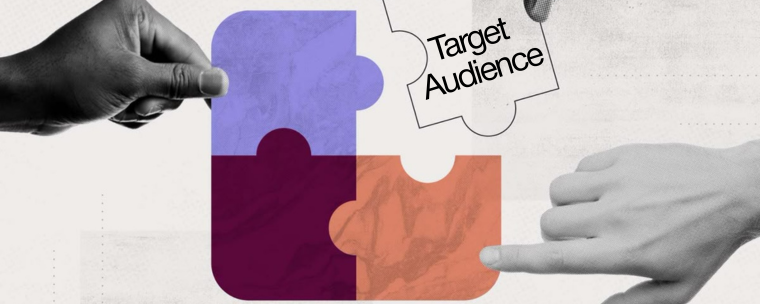
Why Perfect Targeting Is Only One Piece of the Puzzle
Targeting determines who sees your ad, not whether they will take action. Google, Meta, and other ad platforms already do a good job of finding the right audience. However, conversion depends on what happens after the ad is shown.
From hands-on campaign experience, most ad failures come from:
- Poor communication of value
- Lack of trust signals
- Misalignment between ads and landing pages
These issues are common even when campaigns are handled by a digital marketing agency with strong technical targeting skills.
Poor Ad Creatives That Don’t Capture Attention
Ad creatives are responsible for stopping users from scrolling. Even with accurate targeting, low-quality visuals reduce engagement immediately.
Common creative mistakes:
- Generic stock images
- Low-contrast visuals
- No clear focus or message
- Overloaded text
Real-world insight:
Campaigns using authentic images or short videos consistently outperform generic designs, even with the same audience.
What works better:
- Clean visuals
- Clear headlines
- Real product or service demonstrations
Weak Messaging That Fails to Build Trust
If users don’t understand your offer instantly, they won’t click or convert.
Signs of weak ad messaging:
- Vague promises
- No specific outcome
- Overuse of marketing buzzwords
Example:
“Grow your business today” is unclear.
“Get 25 qualified leads per month without increasing ad spend” builds clarity and trust.
Best practice:
Speak directly to one problem and one solution.
Landing Page Problems That Break the User Journey
A common cause of ad failure is landing page mismatch. When the page does not deliver what the ad promises, trust drops.
High-impact landing page issues:
- Slow loading speed
- Poor mobile optimization
- Too many distractions
- Missing proof (reviews, testimonials, case studies)
Experience-based insight:
Even small improvements like faster load times or clear CTA can significantly increase conversion rates.
Offer Mismatch Despite Correct Targeting
Sometimes the audience is right, but the offer is wrong for their stage of awareness.
Common offer mistakes:
- High-ticket sales to cold traffic
- No risk reduction
- No immediate value
Better approach:
Use entry-level offers (free resources, trials, consultations) to build trust before selling.
Ad Fatigue Reduces Performance Over Time
Even successful ads stop working if shown repeatedly.
Indicators of ad fatigue:
- Falling click-through rates
- Rising cost per conversion
- Declining engagement
Best practice:
Refresh creatives regularly and test variations to maintain performance.
Weak or Incomplete Sales Funnels
Ads rarely convert on the first click. Without a funnel, you lose potential customers.
Funnel gaps include:
- No email follow-up
- No retargeting ads
- Unclear next steps
Expert insight:
Campaigns with simple follow-up systems consistently outperform “click-and-hope” strategies.
Tracking Errors Lead to Wrong Decisions
Incorrect tracking can make good campaigns look bad.
Common tracking issues:
- Incorrect pixel setup
- Missing conversion events
- Platform data mismatch
Trust factor:
Always validate tracking using multiple tools and analytics platforms.
Ignoring User Intent Levels
Not all targeted users are ready to buy.
User intent stages:
- Informational (learning)
- Consideration (comparing)
- Transactional (ready to buy)
Best practice:
Match ad content and offers to the user’s intent stage.Ads and offers must align with intent for effective digital marketing once the strategy is properly implemented
Conclusion: Ads Fail Because Trust and Systems Fail
Perfect targeting gets attention.
Conversions happen when trust, clarity, and experience align.
To improve ad performance:
- Improve creatives
- Clarify messaging
- Optimize landing pages
- Match offers to intent
- Build trust signals
- Track data correctly
Frequently Asked Questions (FAQ)
1. Why do ads fail even with accurate targeting?
Because targeting only controls reach. Conversions depend on messaging, trust, landing pages, and offers.
2. Is creative more important than targeting?
In most cases, yes. Strong creatives can outperform perfect targeting, but weak creatives cannot convert any audience.
3. How can I improve ad performance quickly?
Start by improving your landing page speed, message clarity, and offer relevance.
4. What role does trust play in ad success?
Trust is critical. Social proof, clear messaging, and consistency increase conversions.
5. Can bad tracking affect ad optimization?
Yes. Poor tracking leads to incorrect decisions and wasted ad spend.
6. Should beginners focus more on targeting or funnels?
Funnels. A simple, clear funnel improves results even with basic targeting.